The Art of Hats with Milliner Christine A. Moore and Blake Seidel: Ep 44
Highlights from the episode:
The balance between artistry and business that keeps a company growing
What working side by side as a couple really looks like behind the scenes
Why criticism in creative work has to be handled with care and intention
From a theater background into a career designing iconic Derby hats
Why a hat isn’t just fashion, it’s a statement about who you are
Podcast show notes:
If you’ve ever watched the Kentucky Derby, you’ve seen the gorgeous hats. What you may not realize is the level of thought, storytelling, and emotion that goes into each one.
In this episode, I sit down with Christine Moore and Blake Seidel, the couple behind CAM Hats, the brand that has become part of the Derby tradition. From their beginnings in theater to building a thriving business together, their story is full of creativity, resilience, and honest insight into what it takes to grow something meaningful.
We talk about how Christine designs with intention, how they navigate working together as a couple, and one of the biggest lessons no one tells you about leadership in the arts.
What You’ll Hear:
Christine’s early inspiration in theater design (00:16)
The meaning behind Derby fashion traditions (13:50)
The realities of running a business together (20:00)
Why criticism in creative work is so delicate (22:27)
Lessons learned from years in the fashion industry (25:26)
This conversation is about more than fashion. It’s about how we show up, how we communicate, and how we help others feel seen.
If you enjoyed this conversation, be sure to subscribe, rate, and share it with someone who would love it, too.
Connect with Christine A. Moore
Check out Christine’s website and her Spring 2026 collection: https://www.camhats.com/
Follow Christine on Instagram: https://www.instagram.com/camhatsnyc/
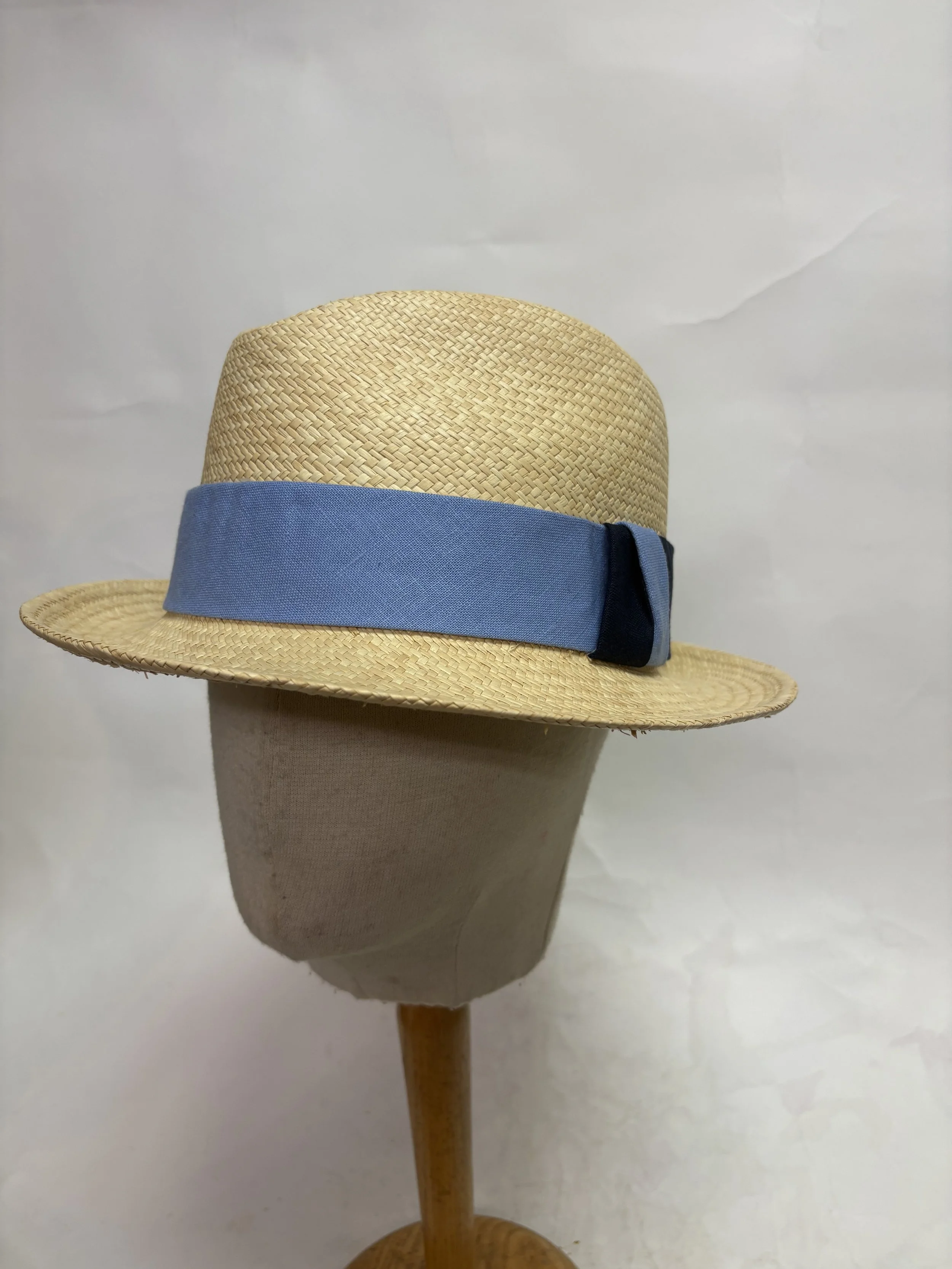
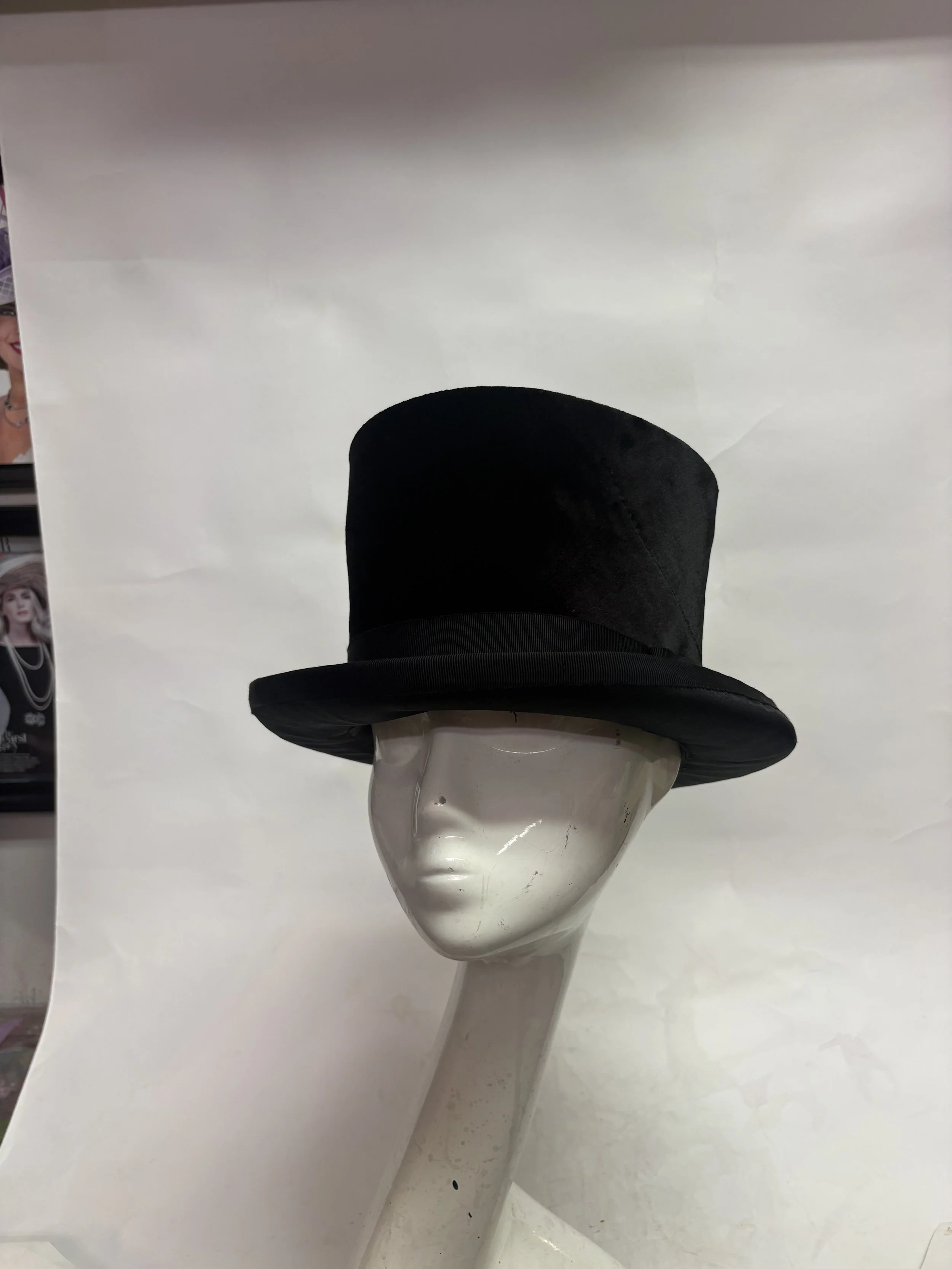
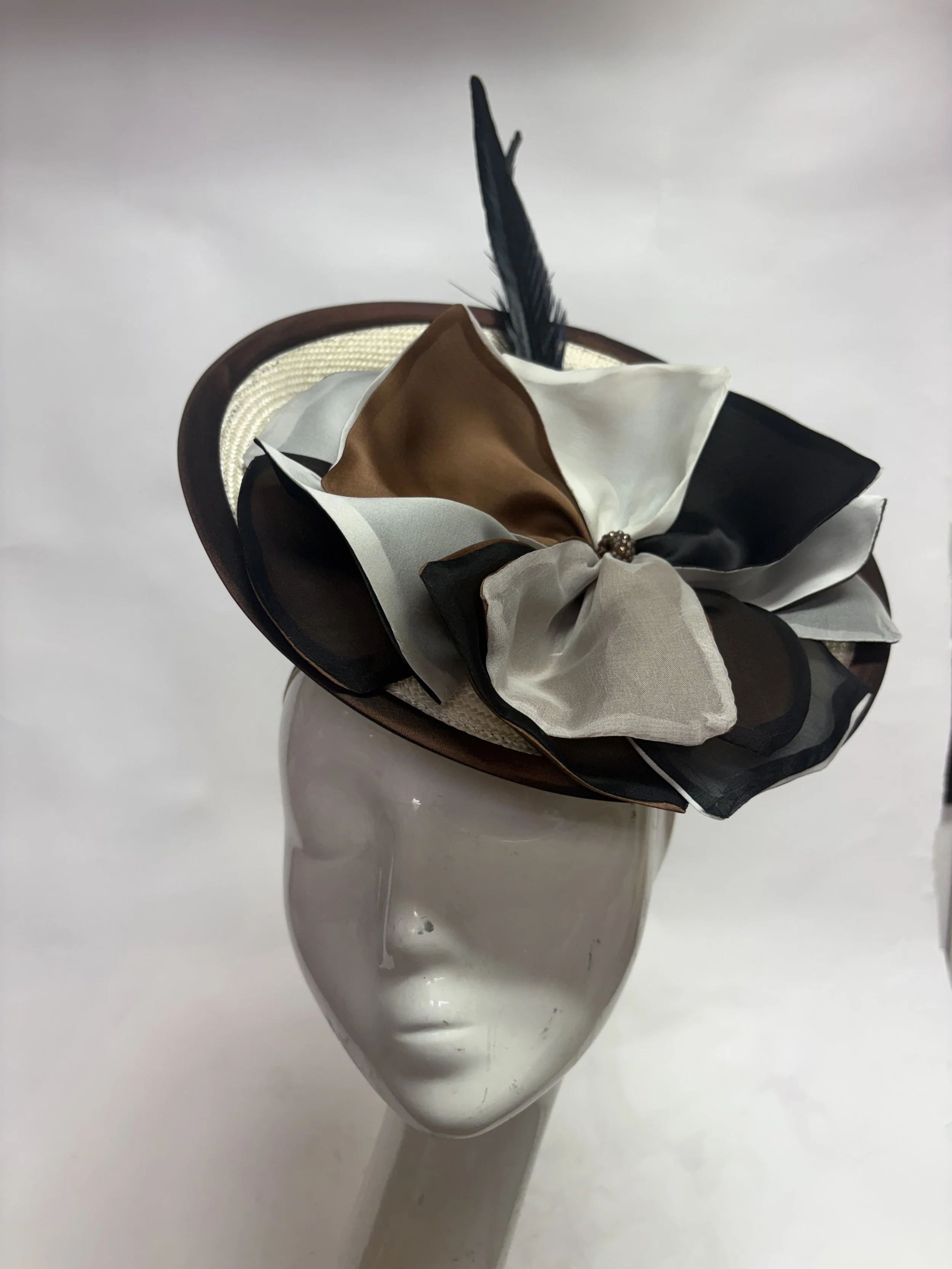
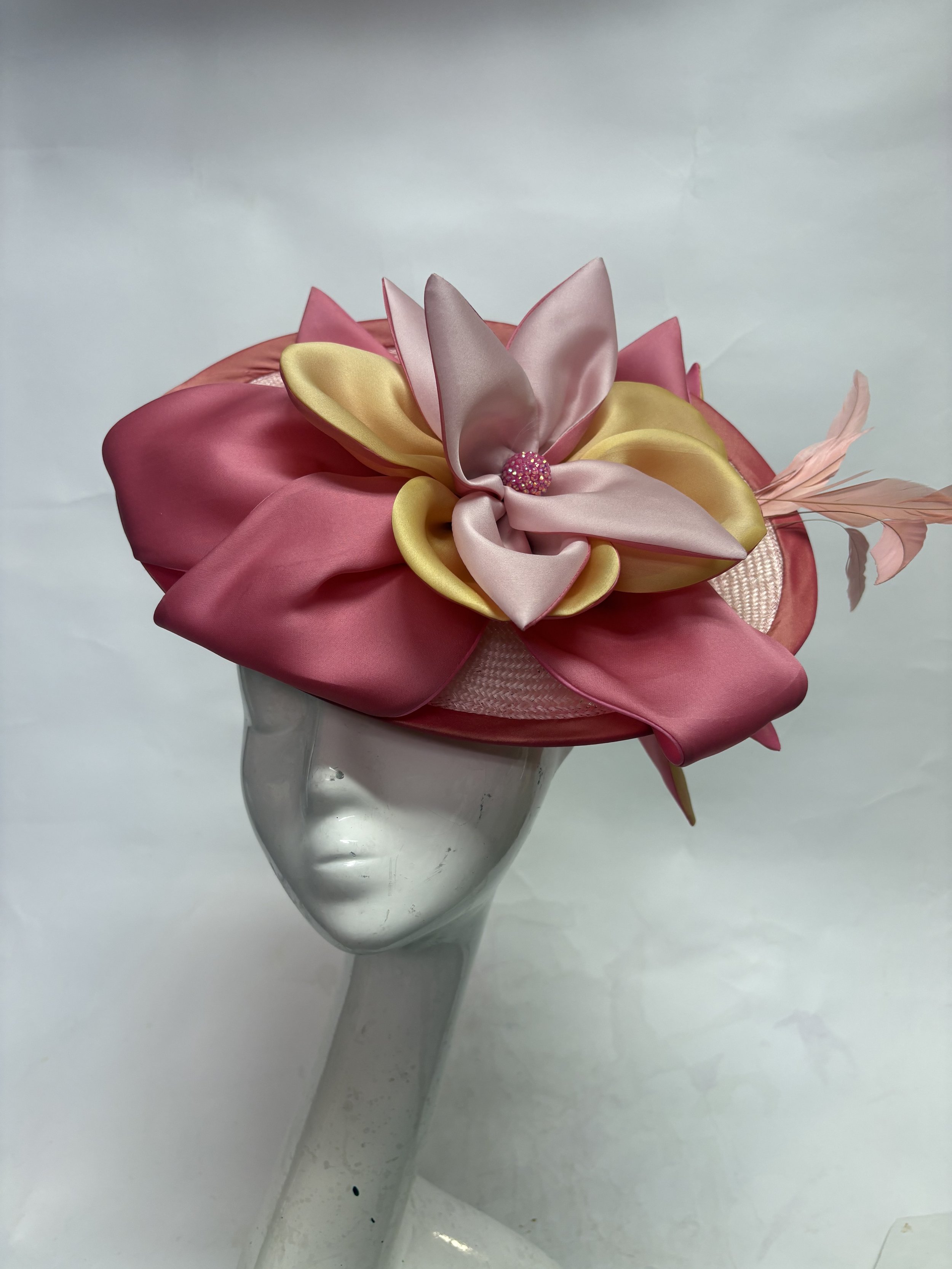
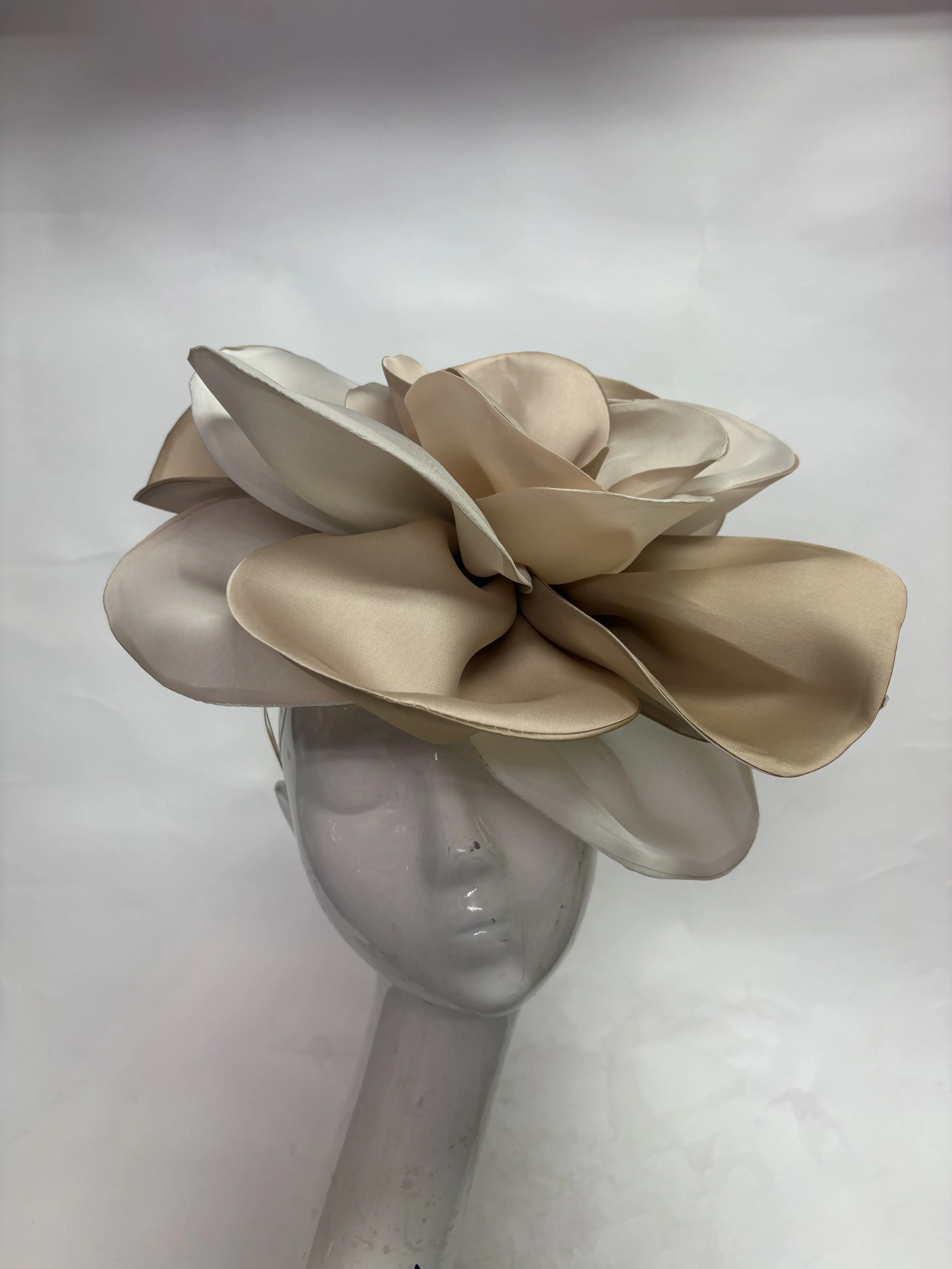
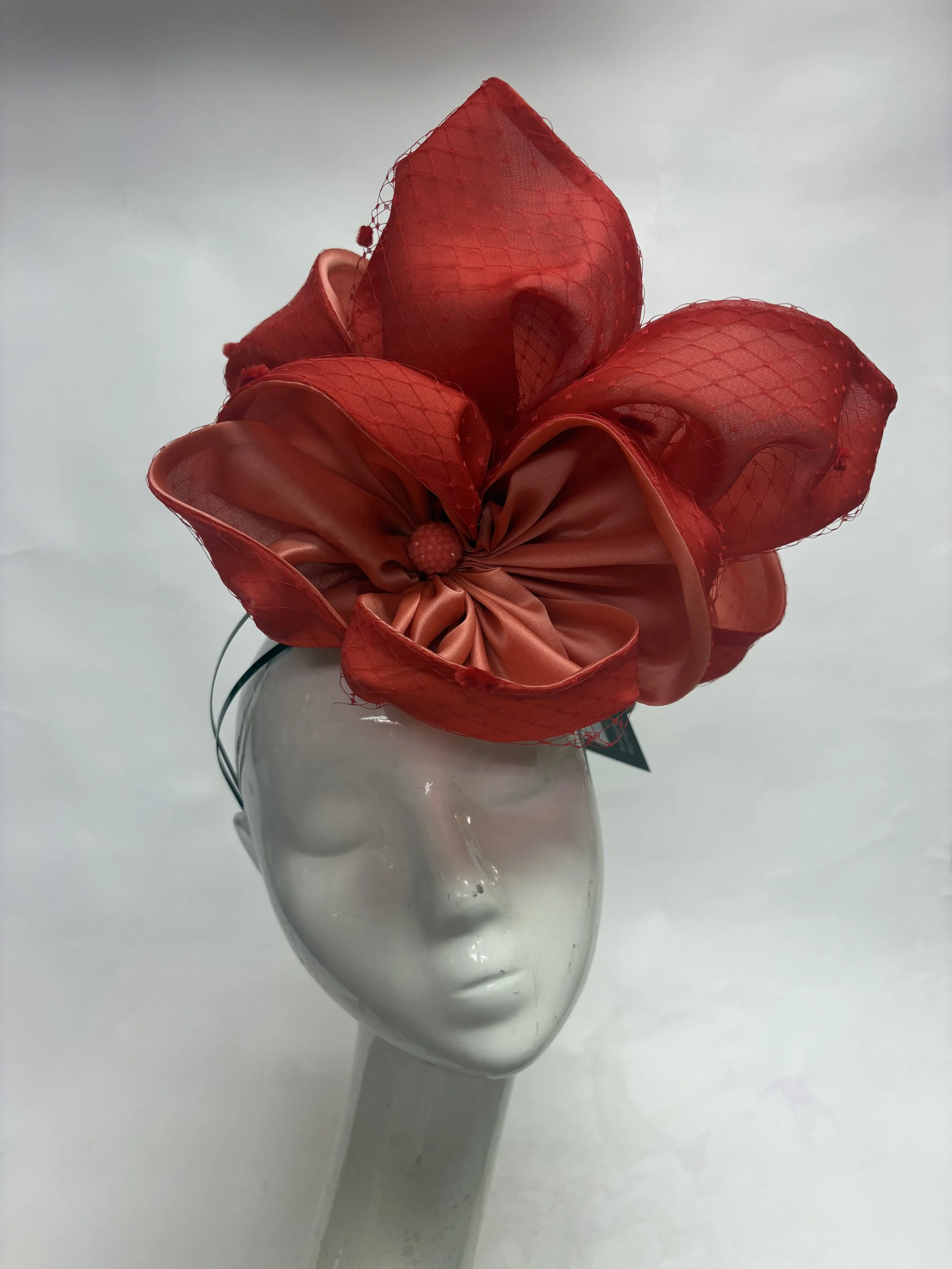
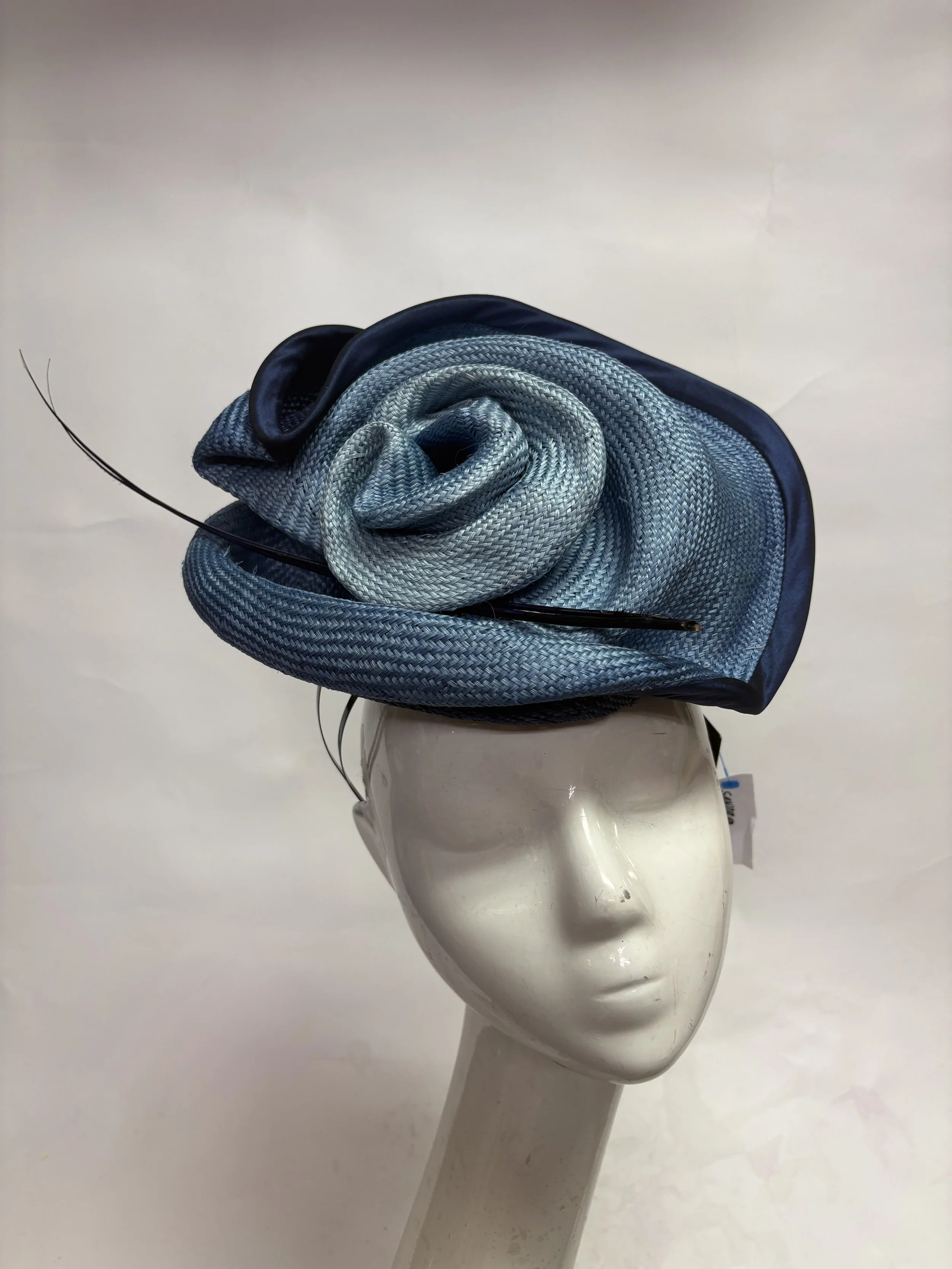
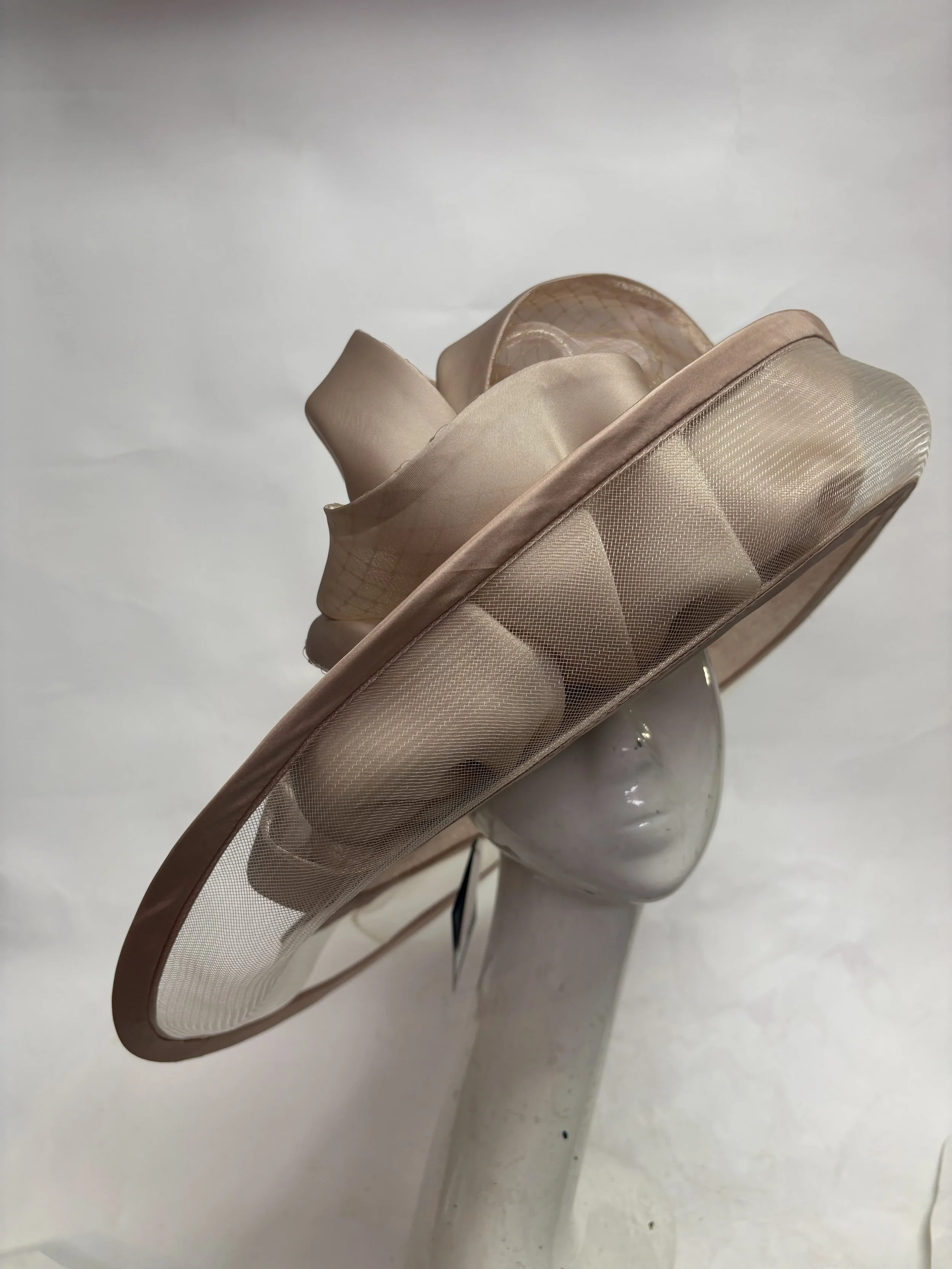
Mentioned in the Episode
Creating Something That Lasts with Christina Stembel of Farmgirl Flowers
Be sure to subscribe to Things No One Tells You—Lindsay’s podcast all about the real, unfiltered conversations we don’t always have but should. From big names to everyday voices, each episode dives into the moments that shape us. Listen wherever you get your podcasts!
Follow along with Lindsay below!
Full Transcript
[00:00:00] Christine: Carol and I, especially, were out there selling, so we are hearing, we're hearing what customers are saying, and I also learned from them, like actually, that's like things no one tells you if you listen enough. They did tell you, right? Yes. You know.
[00:00:17] Lindsay: Hey, guys. Welcome to the Things No One Tells You Podcast.
[00:00:20] Ooh, we got a fun episode. This is a couple. I love talking to couples because inevitably I find myself thinking, Ooh, we should do that. Or like, in terms of the communication and the way that different people sort of live out their lives and communicate with spouses and, you know, make things happy.
[00:00:39] Anyway, alright. This episode is about a couple that should have a reality show. It is my friend Christine Moore, who is the officiant and the featured Milliner. The Triple Crown, meaning the Kentucky Derby, the Preakness, the Belmont, and her husband, Blake Seidel. Alright, Christine, when I say official and featuredMilliner, she's a hat maker.
[00:01:04] She started her career, though, in the theater. This is such an interesting story. That's where she and Blake met, but these two now work together 24 7 because she has Christine Moore hats. It's this amazing business. And she, basically, is the one who's behind all of these events around horse racing.
[00:01:27] And she's definitely expanded into other events as well. So, when I first started covering horse racing. This sport is so special to me. There's a lot of nostalgia in it for me because my father covered horse racing for a really long time for USA Today. And so when I was asked to first get involved really in a specific way, it was after my time at ESPN, it was working with America's Best Racing, which is a digital platform of the Jockey Club, which is the overseeing body of horse racing.
[00:01:56] They asked me to cover a story, tell a story on this amazing horse flight line, which was gonna do things nobody had seen since Secretariat at the Breeders' Cup in Kentucky that year, because it always moves around. So I was like, this is amazing. I can't believe I have this opportunity. And I went to the Breeders' Cup.
[00:02:15] I knew what my role was, they were gonna follow me around, and I was just gonna experience the whole thing and kind of tell the story through my own personal experience, which is like a dream if you're a journalist, because you don't get that kind of access. And to be able to do that, it's really this awesome sweet spot of like journalism and, you know, influencer-type work.
[00:02:36] So. I go to the Breeders' Cup, and the group I'm working with, they're like, okay, so you're gonna go get a hat? We need you to have a hat. You've gotta look like you belong. And so they send me, they're like, we're gonna do you to Christine. I don't know Christine at this point. And I had my daughter with me.
[00:02:52] My mom was there too, I think, because we made this like a family affair. And we go, and we walk into this tent that is obviously a hat tent because there are hats outside. And I remember when we walk inside, it's like, oh my God. It was like an explosion of Skittles, like if Skittles were different hats, like just this rainbow.
[00:03:10] It was incredible. And what I remember most is that, like Christine, this boss lady, and she is just like, " Oh, hi. She talks really fast. She was, and I introduced myself. I'm like, Hey, I'm here trying to, you know, I need a hat. da. And they kind of put their people to work, and they figured out like, okay, this is my dress here.
[00:03:29] What do you need to be wearing? She shoves this fascinator into my head, like really firmly. But it looked awesome. I loved it. We got my daughter outfitted with one that sort of matched her husband, Blake. The whole time, I remember it was just kinda like tooling around doing business, and they were this well-oiled machine, but they had so much personality.
[00:03:48] And what I have loved and what I've come to know about Christine and Blake is that, like every single horse racing event, they are just on it. And they are so prepared, and this is like the months leading up to it. But they're also just awesome people. And at the end of the day, their business is about making people feel their best.
[00:04:06] And when it comes to their experience in the art world, it is really cool because in this conversation, Blake shared. A thing no one tells you is that I did not expect that it had to do with leadership, as it comes to the arts and business. So I love this conversation. I hope you learn a lot from it. And here they are, Blake and Christine.
[00:04:29] Blake. And Christine, I am so grateful that you're joining me because I know how busy you are. After all, I've seen it in person. You guys like to work nonstop, both of you together. But I'm just, I'm so pumped to have this conversation for our viewers and our listeners. So. I would describe your studio in the city as when you walk in.
[00:04:50] To me, it feels like Alice in Wonderland. Like, it's this magic just blast of color and whimsy and all the things that speak to me. I honestly get chills thinking about it now. So is that where you are? Why are you taking your hat off?
[00:05:04] Blake: Yeah, we are. She's gonna change up like she always does, but yeah, we're right.
[00:05:09] Christine: I thought this was like a little Alice in Wonderland, Lindsay.
[00:05:13] Lindsay: I love it. Where are you sitting?
[00:05:16] Blake: We are in the, we are in the office space. There's a, when you walk in, it's a showroom office space, and the production space is behind us. So we're singing here with stuff that, you know, all kinds of stuff around us.
[00:05:28] It's crazy.
[00:05:30] Lindsay: So Christine's just gonna keep doing the hat dance as we talk. That's what they do in motor sports when you win races. They put on the hats of their sponsors. All right. So tell me. Tell me about where it is that, you know, that you guys are a little bit about the studio, about what your current situation is.
[00:05:47] And I should mention, if you hear the doorbell in the background for anybody watching or listening, it's because people are coming to their studio, but they have friends there that are helping. So we're okay.
[00:05:57] Christine: Yeah. Yes. So we have a, we do the production in the next room. So there's a bunch of artists making hats behind me.
[00:06:05] And then so, but they don't answer the door. They don't answer the phone.
[00:06:11] Lindsay: They're not allowed.
[00:06:12] Blake: They're busy working.
[00:06:14] Christine: Yeah. They're so focused. They're, yeah.
[00:06:18] Lindsay: Okay. And so, for people that don't know, Christine, you are the official Milliner of the Kentucky Derby. Am I saying that correctly? Tell me.
[00:06:27] Christine: Actually, it's featured, and I'm the first. I picked the name featured, and I'll tell you why, because I'm an official for Breeders' Cup, Iroquois, and other things, America's best racing. But I picked it, featured because I was coming into it, it was 146 years of the Kentucky Derby. And it was 2018.
[00:06:47] And I knew that there were all these Milliner hats, people made hats before me that made this market. That I could come into and thrive in. So I felt like the official in this case was, would, was, just a little selfish. If I might say that. And, self-focused. And that's why I thought featured is a better term because I'm, they're featuring me.
[00:07:23] Churchill had asked me in 2008 to be involved in the Derby, and as far as building and solidifying the brand, bringing it to another level, with my workmanship and design. So I had already been working with them for that for 10 years. So I felt like they all, I get a, I'm the featured, so that made sense to me rather than say I'm the official and all of you people who, are in Kentucky and, you know, built all this or just nothing, but I'm official, you know, I felt like it was, how, what do you say this?
[00:08:03] Blake: Yeah. You're sort of well, and this is the ninth year as the feature of Millan. Last year, she signed a three-year contract, so next year will be the 10th, which will be a huge anniversary. Nobody's ever done that. She was the very first one. So it's pretty cool. Yeah.
[00:08:17] Christine: I felt like it was a gracious thing to do.
[00:08:19] I guess that's what I'm looking for. Like gracious,
[00:08:20] Lindsay: You're basically, you're honoring those that
[00:08:24] Christine: Yes.
[00:08:24] Lindsay: Came before you and are still there, but have set the table for what you're trying to do. Yes. I think that's really awesome. And just, you know, to put it out there, like you, you work with one of my friends, Dylan Dryer.
[00:08:37] There are so many Hollywood, you know, famous actresses that you have also made hats for. I want people to know that, like, you know, the hat thing, of course, you might have a sense of this, but it's really real, and it's not just the Derby, but in terms of horse racing, the Triple Crown events, but also other events, whether you're at Saratoga or in different places.
[00:08:58] At different races during the course of the season. The hats are always like, " What is your outfit? What is based around, you know, and it is see or be seen, but there's also just, I don't know, what does that mean to you? What do you guys, both you, Christine, and Blake, what does a hat really mean?
[00:09:19] Christine: It would be something generally, and in this case, 'cause that's like, you know, there's millinery hats, there's all kinds of, but a hat for the derby, I think it just is like, brings people joy. It's like the, it makes them smile and, it's like the light lightness of life in a, like, it's in just, and it edifies people.
[00:09:46] It's around their face. I always say, it's not a torso book, it's Facebook, you know, so it's like highlighting your face too.
[00:09:53] Blake: Yeah. You always say that. You always say it's the focus of your face. Yeah. It's the topper, obviously, you know, for the presence of that person.
[00:10:02] Christine: Yeah. And it brings people, it brings people into your world.
[00:10:07] Like it, the hats highlight first the eyes, and then the eyes, and then people focus in on your eyes, and then they're, you know, they, it's bringing people into your world. And
[00:10:21] Blake: So it's
[00:10:22] Christine: an entrance.
[00:10:23] Blake: It's an attitude changer, too. You give an actor a ha, and oh my gosh, it changes their character right away. They're playing with it.
[00:10:30] Christine: Yeah.
[00:10:30] Blake: You know, they're doing all kinds of stuff. Yeah. Same with anybody for the derby or whatever. You know, it automatically changes your appearance and your attitude, I think. Right.
[00:10:38] Christine: Yeah. I often say, like, to people when they're designing a hat, it's like, what do you wanna tell your audience?
[00:10:44] You know?
[00:10:44] Lindsay: Oh, wow. Really? What's an example of something that someone has said, and how you guys built that?
[00:10:51] Christine: You know, it's like fashion forensics. So it's finding out what my parameters are, forensics.
[00:10:58] Blake: And
[00:10:59] Christine: What's that
[00:10:59] Blake: Person's like.
[00:11:00] Christine: So it's like you like asking them questions, getting to know them, and sometimes, you know, I have to start knowing that I'm gonna, if people don't give a lot.
[00:11:09] So the dress, that's why when you say, should I wear the dress for, or should I get the hat first? The dress tells me a lot about what they know. I come from the costume design world, so it tells me a lot about their personality, their preferences, and how they wanna show, and what they wanna tell their audience.
[00:11:28] So that's like, that helps me a lot, now. But say they don't give me a dress, and I have to kind of figure out who they are. And so it's like I give them, you know, I start showing them things like knowing that they're gonna be bloopers and, you know, they'll, you know, it's interesting with fashion too, people will say, I would never wear that.
[00:11:47] And it's like, so dramatic, and it's like, and you could get offended by like, I, you know, I thought, but the thing is that they're telling me, they're giving me. Parameters. They're telling me who they are from all that, you know. So it's a
[00:12:00] Lindsay: Wait a minute. Wait a minute. Wait a minute. Is that what fashion forensics is?
[00:12:04] I've never heard that phrase. I think that's fascinating.
[00:12:08] Christine: Yeah, that's what it is. It is. It's like sometimes I go onto people's Facebooks or Instagram to figure out if they're not giving me enough information. 'cause it starts to tell me like, things around them and, the way they dress normally, or, you know, or, and it's amazing 'cause it's like, you could have, I could be talking to someone on the phone or they could just send me a picture of dress and I, you know, have.
[00:12:35] Okay. So maybe it's like, especially with North Easterners going to a southern race, you know, and it's very played down. And then I see them, like I, you know, I go to their social media accounts on Facebook or Instagram. -h. And all of a sudden, I see this, like, they're very, say they have, they love long eyelashes or something like that.
[00:12:57] And I'm like, okay. Then they're thinking, they're seeing thrace, race, they're seeing the Kentucky Derby from their northeastern eyes, which is like, we don't dress in colors and frilly and flouncy. Like, no, there's no southern, but this woman definitely will do it. Like, if I just say, okay, give him a little encouragement.
[00:13:18] And I'm like, okay, I see something about you that's, that is very like, very out. Like you, like you don't mind being outrageous. You know, and then it, so you just do a little push, and they're like, ah. And you know, I never want anybody to be the playing girl either at Derby, because when you get there, that's something that you have to see to believe it.
[00:13:38] Like no one that's
[00:13:39] Lindsay: True.
[00:13:39] Christine: Really, I can tell you.
[00:13:41] Blake: It's pretty strange.
[00:13:42] Christine: So no, no one really tells you together.
[00:13:46] Lindsay: What is the importance of a hat at the Derby?
[00:13:50] Christine: Well, it's, it's, everything. It's the whole thing. Yeah. It's necessary, apparently, but it's really about the hat.
[00:13:59] Blake: 152 years of tradition, you know, I mean, fashion, tradition, you know.
[00:14:03] Christine: Now
[00:14:03] Lindsay: This is so, do you know what's funny?
[00:14:05] Christine: Very good.
[00:14:06] Lindsay: You look beautiful. I love that. Okay, so I wanted to show, I wanna hear more about your, all's backstory because I love it. And I really wanna talk about just your theater background and how that translates. I think there's so much there. But first, before we unpack that, I wanna unpack the first hat I bought from you.
[00:14:22] I like. Six or seven, anyway. I do wanna say for anyone that hasn't had a hat for a horse race, it's such a cool feeling when you're traveling through the airport, and you've got the hat box. Especially if it's one like Christine. So I remember, and I shared this leading into our episode, but.
[00:14:42] When I first met you guys, it was at the Breeder's Cup, and I was there covering a story for America's best racing, talking about this legendary horse, Flight Line, and I needed to look the part. So America's Best Racing was like, " You need to go meet Christine. She's gonna help you out with the hat. I knew nothing, but this is what I came away with.
[00:15:03] And do you remember this? Was there? Yes. Yeah. And so, I remember we were in your tent outside of the, you know, Keland, which is where that Reader's Cup was, boss. And your tent was like, it was so amazing with all these amazing hats. But Blake, you cracked me up too, 'cause I'm like, who's Blake? And like, Blake was just kind of manning the whole thing.
[00:15:24] I remember I had my mom and my daughter there. But this was like, I know I'm gonna put it on wrong, and you're not here to guide me. But I absolutely, like I was wearing a dress. I had. Oh, sorry, see this is my,
[00:15:38] Christine: The comb goes in the back and then flip it down.
[00:15:40] Lindsay: Yeah, that, anyway, some version of this. But I just, you know, it is amazing.
[00:15:46] Christine: You had it on, right? I'm sorry. It was,
[00:15:47] Lindsay: I did. Okay. Do you want me to keep this on? So, anyway,
[00:15:51] Christine: Pull it down.
[00:15:52] Lindsay: I don't know if you guys remember that moment, but it was just so great to meet you and
[00:15:55] Christine: No, this other way. Turn it around.
[00:15:57] Lindsay: What? this way
[00:15:58] Christine: You have it on backwards now.
[00:15:59] Lindsay: This way.
[00:15:59] Christine: I was wrong.
[00:15:59] Lindsay: Oh, now. Okay. All right. The comb confuses me forward, but it really, you know, it was one of those things that it's like, it totally elevates and makes you just feel polished. And I love learning from you about how much craftsmanship goes into it. So let's start in the beginning. How'd you guys meet?
[00:16:19] Blake: So, we both met in Philadelphia.
[00:16:21] Lindsay: We get to look at each other, too.
[00:16:23] Blake: W, both met in Philadelphia at the Walnut Street Theater, and I was working in, this was in the eighties, and she was, I was just outta college, and she was, taking classes. And, she was working in the costume shop, and I was working in management.
[00:16:39] There was a party we got together at the theater, and we just really hit it off as two young people. Artists in Philadelphia, loving that city and not knowing what's coming next. And I went to New York to go to graduate school. She went all around the country doing regional theater at every regional theater you can think of, from Alabama to Buffalo, a studio arena.
[00:17:02] And we had a long-distance relationship for a long time. And she came to New York five years later and started working for Rodney Gordon. And I was in grad school. And, we continued to date. And then, when I finished grad school, we got married. And then, we both stayed in New York the whole time.
[00:17:21] So we've been in New York City now since 86, I think, or
[00:17:25] Christine: 87. No, you,
[00:17:26] Blake: Well, 87.
[00:17:26] Christine: I moved in 90, the January of 90. Yeah. So nice, clean beginning of the year.
[00:17:34] Blake: Yeah. But, just can't believe we couldn't be there that long,
[00:17:37] Christine: Rodney, just to say, Rodney is one of the top Milliner in the theater, for the Millinery
[00:17:44] Well, yeah. Milliners for the theater. Anyway, so we did, top hats for
[00:17:49] Lindsay: at making for a theater. Wow.
[00:17:51] Christine: Yeah. So that's how I learned how to make the Ascot top hat. So that's which, so I made, for all the,
[00:17:59] Blake: She's gonna grab one, but at that time, he was making all the top hats for every tour of fans of the opera.
[00:18:05] And I think there were like seven tours or something like that, or,
[00:18:09] Christine: Yeah.
[00:18:09] Lindsay: So that's true.
[00:18:11] Christine: Yeah.
[00:18:12] Lindsay: So, oh, that's so pretty. That's like suede. It's like, it looks like a cow hide.
[00:18:17] Christine: Yeah, it's, well, no, it's pane velvet. So, or that there, yeah. There or that, yeah. So, what is it? I think it was King Edward who changed it from Beaver to Beaver.
[00:18:32] I think you are crooked, but sorry.
[00:18:37] Lindsay: so
[00:18:37] Christine: My men's collection's called the Blake Collection.
[00:18:39] Lindsay: Very so, wait, so were you drawn to hat making? Was that specifically me? What did you want? Yeah.
[00:18:47] Christine: Oh yeah. So I, when I was at the Walnut Street Theater, I was assistant designer to the, to a, assistant designer for the season.
[00:18:58] And I met a Milliner and I fell in love with what she was doing, I just couldn't get my eyes off of what she was doing. Like, and I, so I asked her for a job, and she hired me. And that was, and then we, yeah, she worked for. Mostly for McCarter, Princeton. And then, but she, and then she introduced me to Rodney, and so I ended up doing some regional theater, and then, as he had said, while he was in graduate school, and then.
[00:19:26] Rodney hired me, actually, Blake gave me an ultimatum. He said either you have to move to the city or we're breaking up.
[00:19:33] Blake: I didn't say that
[00:19:33] Christine: Pretty much.
[00:19:34] Lindsay: Look at you.
[00:19:35] Blake: Yeah. I don't remember that part, actually,
[00:19:37] Lindsay: You laid it down.
[00:19:37] Christine: I didn't, he didn't wanna, he didn't wanna have a long-distance relationship anymore.
[00:19:42] Blake: Well, we did that for five years and, you know, we weren't like on our phones, we were like writing letters, you know, to each other.
[00:19:47] Christine: Oh.
[00:19:48] Blake: And he writes an email talking on a landline.
[00:19:51] Christine: You're gonna find out how old we are.
[00:19:52] Blake: Yeah, it was very difficult. It was difficult.
[00:19:57] Christine: Well, you know, in 1990 I moved to the city, so there you go.
[00:20:00] Lindsay: Yeah. That was a much harder time for that. Wait, so, so Blake, how well? Wait, Christine, how would you describe Blake as an artist?
[00:20:09] Christine: I think he's actually more of an artist than I am, 'cause I'm actually a numbers person. Yeah. So, you have to use what to sew? You have? Yeah.
[00:20:17] Lindsay: Wait,
[00:20:17] Christine: I, yeah. If I didn't do this, I'd be an accountant. Yeah, isn't that crazy? But you have to use math to make her eat anyway, like geometry and math and all that.
[00:20:28] But then also I, yeah, I do. So I did my own accounting for years, and then that, then, now I have a bookkeeper and an accountant, but the thing is, that's the thing, they both know that I can do it, so they push back on me a lot. Like, I can't just like a sign, I'm like, oh, I trust you guys. I'll just sign.
[00:20:48] They're like, no, you can, most of my clients don't know what I'm, look at what they're looking at. But they're like, with you, we know, you know, so you have to look over this and know what you're saying. You know? I was like, well, I hired you to get, do less stuff, you know? But anyway, so, and then he, so I, okay, so, but he's the word guy.
[00:21:08] He's the, you know, he does the marketing plan with Carol. I mean, Carol, you. It's awesome.
[00:21:15] Lindsay: Carol is a legend. Carol is, oh
[00:21:17] Christine: Yeah, Carol is a,
[00:21:17] Lindsay: She's a manager. Would you call her? She's just this happy, wonderful. Yeah.
[00:21:21] Christine: Director
[00:21:22] Lindsay: That is at all the races. I adore her.
[00:21:25] Blake: Yeah.
[00:21:25] Christine: Yeah. She really runs the company.
[00:21:27] We are just, we're
[00:21:29] Lindsay: Just living in it.
[00:21:31] Christine: Okay.
[00:21:31] Lindsay: Wait. So,
[00:21:32] Christine: but, he, really is more of an, I mean, he,
[00:21:35] Blake: I have to disagree with that, actually. I think my whole career has been managing artists and productions. So when you do that, it just takes a sensibility to be able to do that, 'cause especially in theater, when you have seven different artists, you know, a costume designer, a sound designer,
[00:21:54] Christine: That's why I don't like theater
[00:21:55] Blake: Long way down the line, you know, musical director.
[00:21:58] So all these artists, you have to really kind of keep on track from point A to point B to get this production up. So you have to be able to deal with a wide range of people, and well, and ittakes a lot. I mean, to be able to do that, I mean, to,
[00:22:10] Lindsay: Well, you said that's a beautiful look, Christine, you said, at.
[00:22:18] The criticism in the arts is like, one of the things no one tells you is the, what would you say is how challenging that can be? Is that right? And
[00:22:28] Blake: How to give it, I mean, how to give criticism to somebody. I mean, Christine's had, I don't know how many employees over the 30 years, I mean.
[00:22:36] Hundreds. You know, hundreds. And they're all young artists that come,
[00:22:40] Christine: I don't know, hundreds
[00:22:41] Blake: Well, that comes to New York, they're all usually young. And point, my point though is that, anytime that you're giving criticism to someone, especially with the sensibility of the arts, you have to sort of remember that what you're saying to them cuts really deep because it's a passion.
[00:22:56] It's what they're doing, something that Oh, yeah. It's, they're not just like, you know, doing something that doesn't count. No, not that they're not, but it, you just have to know how to give it to them and talk to them and make sure that what you're always lifting them and making sure that, like you know, it's understandable.
[00:23:13] Lindsay: They're also very empathetic people. Right. Probably mostly I would think, like, they, like if you're an artist, you are, you're a deep-feeler oftentimes, right?
[00:23:23] Blake: Yeah. And it all comes from the theater. You know, how you
[00:23:26] Christine: That's what I'm saying. He's
[00:23:27] Blake: how you tell an actor, artist
[00:23:27] Christine: Than I'm,
[00:23:28] Blake: How do you tell an actor that they need to, like, do it this way?
[00:23:31] Christine: Well, you know, I, one of the things I realized just in criticism. I realize that you can, it's easy to, when you're criticizing someone to make them coil and recoil back, and then you've actually caused that's why I think mean bosses are actually like, shooting themselves in the foot.
[00:23:55] Because if you're, if you, if you are, harsh in your criticism and not helpful, and have a co, you know, communicate and have a dialogue, you're, you naturally c go like this, you know, and you recoil and then I can't get, I've never been like that. But then you can't, I mean, you know, I, but I, that's happened to me, and then all of a sudden my, I, it's happened with my retailers sometimes.
[00:24:22] You know? Now I, you know, I have my sea legs for sure, and, you know, you know the people I, the stores that I sell to. know me or they, you know, it's, 'cause it's now it's word of mouth that you should carry this collection sort of thing. Yeah. But, when I first started, you know, these stores would call, and they'd yell at you, you know, all for the most ridiculous thing, whatever they, whatever, they would just beat up young designers.
[00:24:48] And, I realized every time they would do that.
[00:24:49] Lindsay: Like what, kind of thing would they be just so for context?
[00:24:52] Christine: Oh, they would just, like, they would do, let's see. They would say it could be a quality thing, and I always thought if I've got anything that's a criticism, I'm gonna get better.
[00:25:06] Right. My whole thing is like, you tell me I'm gonna get better, I'm gonna get better. But it would be like things like, you'll never succeed. You know? Like they, like, you know, you, you know, they would, and they would always bring up another designer that was bigger, more well known than me. You know, they'd be like, well, you know, so and so, you know, they're, and sometimes I wonder if this comes from the other designers, you know what I mean?
[00:25:26] Like, they don't buy Christine's work because, you know, da And they'll be like, well, you know, I heard, you know, or what? They would just, or you know, if you are two seconds late in your delivery, like, I might call, and they're like, well, we're gonna cancel it if you don't have it here by this certain time.
[00:25:41] And, it's just like, you just kind of, and those things, I mean, I've always been timely, you know, but it was just like, I'm gonna cancel. 'cause I love to cancel orders, really? People. Really? Yeah. Like,n ot, I don't know. Not now, but they did now people would never do that. 'cause then that would, Carol would be like, you're not getting it then, ever.
[00:26:00] You know, I mean,
[00:26:01] Blake: But that's when you still, when you made the switch from theater to fashion, though, because you were dealing with a different sensibility of people in the theater world, and then all of a sudden you're in the fashion world dealing with all these different stores, you know?
[00:26:14] And, that's when,
[00:26:14] Christine: Yeah, we talked about this because
[00:26:16] Blake: Lindsey, I talked about it. Good relationship. She's cut away all these stores that, you know, have not been a good partner, you know, over the years. So now she has really great partners. Yeah. In stores, which is hugely important.
[00:26:27] Lindsay: Well, like I was looking at the top of my box, which, Oh, is right here.
[00:26:31] And I realized this is actually your box, but it's, you know, the roads were where I got this because you were partnered there, right?
[00:26:39] Blake: Yeah,
[00:26:39] Lindsay: Which is now an amazing store in Kentucky.
[00:26:42] Blake: And that box has changed now, too. She'll show you what the new one looks like, too. So,
[00:26:45] Lindsay: So, and Blake, I mean, I actually think that's so fascinating, and I actually want to hear what your method is for delivering criticism and how you've done that successfully.
[00:26:56] 'Cause I think that's something people can take away. What is this? That's the top of your hat box.
[00:27:02] Christine: Yep. That's a yes. That's our hot box. Some of the times the stores have their own boxes, but then if they don't, we use these boxes. Yeah. And if you,
[00:27:12] Lindsay: I love it.
[00:27:13] Christine: Yeah.
[00:27:14] Blake: And if you buy directly from Christina, New York, you'd definitely get one of these.
[00:27:18] Which is a lot, and I highly encourage that. Collect these. Yeah, they collect these actually over the years, which is kind of cool.
[00:27:23] Christine: Yeah. but,
[00:27:24] Lindsay: I remember being like, SOS, like, help. I need a hat for the, I think it was the derby. And we, I landed on the blue, this beautiful bluebird hat. But I was like, I need it.
[00:27:35] And it's like a week. And I know that this is what's crazy, like you're heading into the month of May, which is when the Triple Crown begins. The first Saturday in May is always the derby, and then you've got the Preakness in the Belmont, and that leads into Saratoga, and it's, so you're in the thick of it.
[00:27:51] Yeah. Blake was just sharing, though, about I, I do wanna, I don't wanna move on before I hear this, like, how, what is your method for delivering criticism in a meaningful, effective way that you've learned? You
[00:28:07] Blake: For me
[00:28:08] Lindsay: think, yeah, like the way you talked about in the theater, 'cause I think that can apply to anybody, and it's really valuable information.
[00:28:13] Blake: Yeah. So, I studied management in the arts, specifically theater. And you learn very quickly that there are all kinds of different bosses, and some are very short and current, and some really wanna get to know you. Some want to talk, but I think you, part of it is getting to know the person and making sure that they understand that they're a valued person in the company, a valued customer or whatever their, do whatever their position is.
[00:28:38] And that they're there because you saw something in them, and you, all you really wanna do is make sure that they're gonna succeed with you and grow with you and not feel, in any way, not part of the team. 'cause that's hugely important. So when you talk to them about something, you have to like it.
[00:28:59] Change or correct or whatever. You have to keep all of that in mind when you're talking. So, so that, you know, they continue to feel that way and then want to continue to be that kind of person and the best, you know, person that they could be.
[00:29:12] Christine: Yeah.
[00:29:12] Blake: And with your employees, I, you're, you.
[00:29:14] She gets so many people applying for these jobs.
[00:29:18] Christine: Oh.
[00:29:19] Blake: And, she really is good about whittling it down to who she wants to work with and takes all of this stuff into consideration. Well, and look at the resume really. And then have'em come in and interview them. But that also helps them work.
[00:29:32] So, like they'll sit down and sell.
[00:29:33] Christine: She's going out, out, so
[00:29:35] Blake: Yeah. They sit down and use the machine, and so to see that they have those chops and understand the fabrics and all that kind of stuff.
[00:29:41] Christine: Yeah. And I think, I, I. I mean, to be honest, I've had a few duds, but generally over the years, 'cause we do, we have a staff, and then we have over hire,
[00:29:51] Lindsay: That's a great way to say it.
[00:29:52] A few duds. How's, haven't we all?
[00:29:55] Christine: But I always,
[00:29:55] Blake: Any of that?
[00:29:55] Christine: Yeah.
[00:29:56] Blake: And you're very respected by them, too.
[00:29:58] Christine: And yeah. And they and other than the over hire, mean well. That's actually how I sometimes build my staff, and they stay longer.
[00:30:06] Blake: and they're
[00:30:06] all hearing this right back.
[00:30:07] Christine: And then there's like, you know, it, people, if they, it's transient in New York for artists, so it's like they're always, they're here for, to, do what they, what's in their heart to do.
[00:30:18] So that's why the turnover is faster, but still, people stay with me for like three to six years. And then usually when it comes to like, when you get up to si, people. Tend to wanna go on, what art they came to the city to do in the first place, if that makes sense.
[00:30:39] Like if it's film design or they came here for Yeah. Then go back to the theater. That's often, that's usually why they don't stay with me, but I,
[00:30:48] Blake: They all have those sewing skills.
[00:30:49] Christine: Yeah. They all,
[00:30:50] Blake: And somebody rarely comes in with a millinery background. She has one person now.
[00:30:54] Christine: Yeah.
[00:30:54] Blake: That came to the job that has a millinery background. Usually, Chris, you always say that as long as they can sew, understand,
[00:31:00] Christine: Teach them how to make hats.
[00:31:01] Blake: Exactly.
[00:31:01] Christine: Yeah. But, but as far as like, wow, cri like the criticism question. The one thing I can, I'm very direct, I'm kind, but I'm very direct. It's just like that build, it's a fish.
[00:31:15] It's New York real estate, so it's a fishbowl in here, you know, so it's like, really, you can do you, you know, I don't really usually do reviews because everything's out there in the open. Like, everything's like, I'll just say, Hey, can you,
[00:31:27] Lindsay: I love that.
[00:31:29] Christine: But I, also, Fine. Like, because I do, and this is what I'm saying, like you have a few debts, but most everybody I hire is very intelligent.
[00:31:39] They have, you know, some, a lot of them have masters in costume design, but the thing is, they are BFAs. But the thing is, so often we will just say, well, what are you thinking? What are we thinking? Like I wanna hear from them what they were thinking, 'cause they're probably thinking something out.
[00:31:56] And the reason they're going in the wrong direction is 'cause they see something. They're trying, they're all, in all honesty, trying to figure it out. And so, by asking that question, and usually the, then we get to what the root of the thinking that's making them. Go and, you know, make a mistake.
[00:32:16] But then also I found that I've learned by asking, like, why did you do that? Or what are you thinking? Also, it tells me, you know, it tells me, it gives me ideas. So sometimes I'm like, ah, you know what, that actually, so what, where you're going with that actually gives me an idea to create something else, or fix something.
[00:32:39] Or just even like, oh, you know what, maybe we don't need that extra step. Like it's redundant, you know? And so I think that's the thing,
[00:32:48] Blake: And that's collaboration with them. I mean, that's working on the project, you know?
[00:32:53] Christine: Yeah. So that's why I think it's like the communication in the criticism is really important.
[00:32:57] 'cause everybody can learn and grow, you know? And then I like to tell the difference that I like to tell when I'm here, and I travel a lot, but when I'm here, I like to tell them why, because everything here is pretty much thought out. I mean. There's nothing that's just like, oh, by the seat of my pants, I'm doing like, I think everything else.
[00:33:18] Yeah. And I, and my, like, my core staff, it does the same like everything Carol, it's like there's no arbitrariness, that's why when something goes fluid, it's like, well, it wasn't 'cause we didn't think about it, you know, and analyze it. But, I like to tell my staff why I did it. Well, this is the basis of this design.
[00:33:37] This is why we do this. Because, you know, we'll stay, like say the, you know, like the comb, has to be in the back so it grabs your hair. So when you put your head down, it stays still. Right. Get that comb in there, Lindsay.
[00:33:52] Lindsay: I know, you always, no one puts a comb in your head, like, Christine feels so right.
[00:33:56] Christine: You're right.
[00:33:56] Lindsay: You'll remember. You're like, ugh.
[00:33:58] Christine: Yeah. Yeah. And, but that's the thing, like all these things, like why now we're dividing these headbands a little bit further. Out, farther out from each other.
[00:34:10] Lindsay: Oh, yeah.
[00:34:10] Christine: So that they actually can really cup your head more and stay still.
[00:34:17] So it's like things like that, like, like, so I like to say, 'cause I, Carol, and I especially, we're out there selling, selling. So we are hearing, we're hearing what customers are saying. And I also learned from them, like, actually, ly that's like things no one tells you if you listen enough. They did tell you.
[00:34:37] Right. You know,
[00:34:40] Lindsay: Wait, tell me more. Yeah. You're like, oh wait, maybe they did.
[00:34:44] Christine: Yeah, exactly. Yeah. And so it's like they're, they'll, you know, I have, there's a reason that the customer told me, like, one of the things is like, surprisingly, I people will say with really thick hair, they'll say, my hat's moving, my hat's, my hat moves.
[00:35:04] And so it's like, that's why, like I've learned to like, make the habit for a bigger head, just a smidge bigger. So it doesn't, if it fits too tightly, their hair will shift it up.
[00:35:16] Lindsay: It's, like, Melvin, even in the men's hat. Like we had to make him a very big hat.
[00:35:20] Christine: Yeah. Beautiful.
[00:35:20] Lindsay: He has a beautiful head, but it's big, it's, you know, he's got a noggin.
[00:35:25] Christine: Yeah. Yeah. And also, I realize that men have square heads, women's heads tend to slope in like this, and a lot of men's are like that.
[00:35:35] Blake: Well, we,
[00:35:36] Christine: That's what you,
[00:35:36] Blake: We pride ourselves on our noggins.
[00:35:38] Christine: So when they say, when men say their head is big, I realized it's not that their head's big. It said it's square.
[00:35:45] So the measurement here, like the measurement here and the measurement here, are the same. So they're feeling the hat hitting 'em right here, and it's too small. But it's actually not. Oh, right, right, right, right. It's actually not too small, it's just that they're of a square head.
[00:36:00] Blake: She wants,
[00:36:01] Lindsay: By the way,
[00:36:01] Christine: I digressed into,
[00:36:02] Blake: She once designed and made a hat right on my head.
[00:36:06] It was a piece that was like a skull cap kind of deal. She's like, so one.
[00:36:12] Lindsay: Oh God, that's dangerous. But I love it, but you can see there's a hat right behind you that is like one of my favorites. Assume that's called a fedora, but it's, I love that. And you
[00:36:22] Christine: Yeah. That's a Mel, that's a Melvin hat.
[00:36:24] Lindsay: That's what we, I, ordered from Melvin and his friends when I surprised him with a trip to the Preakness.
[00:36:30] 'cause that was my foray to pull my husband into horse racing more. 'cause I do love it, that was fun. And he loved it. Yeah. And you guys nailed it. And those, and all the guys look great.
[00:36:38] Blake: I mean, they look so great.
[00:36:39] Lindsay: They look great. And they're, that's the thing, like I do think, we're, you know, we're talking about, yes, it is a fun thing to do for horse racing.
[00:36:45] It is a part of the fashion at the Derby, but it is also like a polished, put-together look. And I think it's really cool that you guys. I knew this, but it's like that theater's attention to performance detail. It is really interesting to hear your story, and it's really cool. I knew you were great at math, but I didn't realize how much of your brain is like that type of brain, Christine, and so it's so you guys are such a great partnership in it.
[00:37:12] Like, so when you decided what?
[00:37:15] Christine: I can't write; the two of them have to write for me. Oh yeah,
[00:37:19] Lindsay: That's,
[00:37:20] Blake: Well, you
[00:37:20] Lindsay: Soo funny. I would not like to speak.
[00:37:22] Blake: We take her stuff and then we,
[00:37:24] Lindsay: Yeah, but
[00:37:24] Blake: Then we fix it out.
[00:37:26] Lindsay: So when you guys, when you decided that you really wanted to take on this endeavor of opening your own business, what was that like?
[00:37:33] Was that, was it like a no-brainer? Were you nervous?
[00:37:37] Blake: Well, I was not in the business then, but she started it in 94. Is it when you really moved?
[00:37:44] Christine: Well, 91. Sold my first hat.
[00:37:45] Blake: Yeah.
[00:37:45] Christine: But, and did the, my first schedule C, but then I, it was say accounting and then nine in 94 is when I went full-time.
[00:37:57] Yeah. And I, you know what, and it, the thing is that it was like, a burning desire to own my own business. I can't even explain.
[00:38:08] Blake: Then you got, you got tired of dealing with actors.
[00:38:11] Christine: Oh, that's the collaborative art part. Yeah. So I don't like collaborative art.
[00:38:15] Blake: Well, she was in the theater for a long time.
[00:38:17] Christine: UUh-huh no, I had one and I, yeah, I've had. Okay, so when you are in the heater, it sounds like
[00:38:24] Lindsay: There's a story here. So why don't we all be friends?
[00:38:27] Christine: There's five stories, there's five, there's, you know, there's five artists at least that go and that go into making a product. And if one of those costumes always takes the hit because also the actor, if the actor doesn't like what they're wearing or they don't, we always say if the actor is a bad actor, they don't like what they're wearing, they pick on the clothes, and then, you know, and
[00:38:51] Blake: They blame the clothes, too
[00:38:52] Christine: They blame the clothes for the bad acting or, you know, so, so I just was tired of like creating things and then, you know, the director and the actor saying that they're cutting that, that piece, or they're cutting, you know, and I'd be staying up all night, you know, doing these.
[00:39:11] And, I mean, yes, I was being paid to do them, but still, like, I would stay up all night and then I would be, it would be, you know, it would be cut from the, show or, I even had one actor hated their hat and it was having a problem with the fight, fight with the director, sat on it. It sat on my work as I thought intentionally.
[00:39:32] Yeah. But now I, so, yes. So
[00:39:34] Blake: They don't
[00:39:34] Christine: Have to, you mean I didn't have to use it because they sat on and I just was like, that's my artwork. I mean, you just sat on my artwork. So, so that, so go into fashion. I had nothing. I knew nothing about fashion, and so I got into fashion, got to be completely beaten up differently.
[00:39:51] Blake: Can I just tell her how you started doing that, though? Nobody knows this. This is something nobody probably knows. So when she decided she's gonna create. Create a collection, a small collection, and get it in front of people's eyes at stores. We bought these big old drum cases, and she put fabric all over 'em, and she designed this collection, and she packed them in the sand, started making appointments at stores in New York and Philadelphia.
[00:40:16] And the first store in New York to actually buy from you was Henry Bendell. And that was a huge, beautiful store.
[00:40:22] Christine: That's the first store.
[00:40:23] Blake: That was the one in New York, though?
[00:40:24] Christine: In here? Yeah.
[00:40:24] Blake: Yeah.
[00:40:25] Christine: Okay.
[00:40:25] Blake: And then the first store in Philadelphia with Joan Shep,
[00:40:27] Christine: Joan Shep.
[00:40:28] Blake: And there, she's still in business till this day.
[00:40:30] But when you, I remember when you got both of those orders for both those stores and got to do a trunk show here in New York, that was a huge thing. Yeah, that was big.
[00:40:38] Christine: And
[00:40:39] Blake: That’s a
[00:40:39] Lindsay: Yeah. So tell me, so what do you do? Do you know that's the store?
[00:40:42] Christine: So the…
[00:40:42] Lindsay: Wow. So you put the fabric, like, tell me about that.
[00:40:46] What did you do? And then what did, what was your pitch? How'd you do it?
[00:40:50] Christine: Oh, I just
[00:40:51] Blake: covered the, yeah. Covered the drum cases to make them look cool.
[00:40:55] Christine: And you would just go, yeah. And later on, people would say I remember you, you were the one with the,
[00:41:01] Lindsay: You're the drum box lady.
[00:41:02] Christine: Yeah. So I would just go and, yeah, I would just make an appointment with a store and then come in and just show 'em the work.
[00:41:07] And then they would buy, they would usually buy the pieces right there. Some people would buy. And then I did trade shows, and at the Javits and, you know, and then I didn't have to travel with the drum because the drum cases went down the street. After all, we're on 34th Street. Javits is, you know, by the river on 34th Street.
[00:41:24] So I would just, but I think that's the thing with, to flip it around. About the collaborative art part. That's the one thing I found out about fashion is that it's a nasty business for sure. And nobody really wants you to succeed. ‘Cause they're all, everybody's competition. Everyone's competition.
[00:41:44] So what I realized was that I was going into fashion. Like I wanted to help everybody and give everybody, you know, like, 'cause the, in the theater everybody helps each other, but in fashion they don't, you know? So I was like,
[00:42:01] LindsayWhyhy do you think it's so different? And Blake, do you agree?
[00:42:05] Blake: Well, I
[00:42:05] Christine: I think it's the
[00:42:06] Blake: money, different theaters, the most collaborative art because everybody has to pitch together to bring one product. Yeah. One product out and up, you know, from point A to point B. And in fashion, it's not like that at all.
[00:42:18] Christine: Everybody's out for themselves.
[00:42:20] Blake: Yeah. Yeah. The stores all the designs
[00:42:21] Christine: And it's expensive,
[00:42:23] Blake: You know, it's competition
[00:42:23] Lindsay: By the nature of what you're doing, 'cause everyone's, you're trying to sell your thing, right? Yeah. So,
[00:42:29] Blake: Yep.
[00:42:29] Lindsay: You're not necessarily right. That's very interesting. So
[00:42:33] Christine: I did some early on, I did some runway shows with other designers, and then, and it's hard for new, and it's expensive.
[00:42:43] They were in Bryant Park and they'd be, you know, like 15,000 or 15, $150,000 to put on a show. And that was that. And
[00:42:52] Blake: Then, it's so expensive now.
[00:42:53] Christine: Then they would group, they would do groups, like young designers would be doing groups, but I kept getting their press, so they would do. They're paying to do it, and then they wanna talk, like Women's World Daily wants to talk about the hats, you know?
[00:43:07] And they, not that they necessarily named me, but they talked about the hats instead of the clothes I kept having over and over again. So I got fired from that. Like nobody wanted to work.
[00:43:17] Blake: So you outdo the dress collection.
[00:43:21] Christine: Yeah. Yeah. And so, oh my God. And listen, it's hard enough to work with other designers, so it was okay to say, I'm not doing this anymore, you know?
[00:43:30] But yeah, no, it's true. Like its hats. And that's the thing, like hats always bring attention. So even though they had nothing, they didn't wanna talk about anything. Like, people wanna talk about the hats, you know,
[00:43:42] Blake: You do a lot of special pieces though for photo shoots for designers and magazines and stuff.
[00:43:46] Christine: Yeah. Now I have designers that I work with, though, you know, so that's different. Yeah. You know? So
[00:43:51] Lindsay: What does it look like? Like. Like, how did you get beyond that? How did you really gain traction and solidify yourself? Because there isn't that point in a business, to,o where you're trying like real, real quick, it's fascinating because, Farm Girl Flowers, we did an episode with Christina, the founder, and she talked about how her thing wasn't necessarily that she was obsessed with flowers.
[00:44:14] And I know you've shared that too. You weren't obsessed with hats, but you were consumed by the desire to have your own thing and to make your own thing and get it out. And that's what she saw, a real need in the space for flowers and delivery. And it's funny when you're describing the drum box, it took me back to our conversation where she was talking about burlap,, and she found, you know, the burlap and thought, well if we wrap it like this and make this one of our signature ways of presenting when it arrives, you know, that's something that can be memorable.
[00:44:48] That's an interesting through line.
[00:44:49] Blake: Yeah. Packaging is hugely important.
[00:44:53] Christine: Hat box. Yeah. Sometimes I get insulted about the hat box. Like they care about why I didn't get a hat box. I didn't get a hatbox. And I'm like, it's horrible's not
.[00:45:02] Lindsay: Well, because you're creating, everyone. You're giving them a moment to literally, when I left that first Breeder's Cup and I owned my first hat, and I walked through the airport, I mean, I'm gonna post a video that I took because I was like, this is the most amazing thing.
[00:45:21] There are so many people carrying these hat boxes. And I just, and I'm sitting there waiting for my flight, and I've got my hat box by my feet, you know? And I was like, this is either ridiculous, but it just feels really cool. It also feels like, right, like you're part of this club, whatever, but
[00:45:36] Blake: Yeah, exactly. That's exactly what we're at.
[00:45:38] Lindsay: You're like Audrey Hepburn. What'd you say?
[00:45:39] Blake: Exactly. That's a good way to look at it. Like walking through an airport, walking down Fifth Avenue with a hatbox. I mean, it's like a great
[00:45:46] Christine: Yeah. And
[00:45:47] Blake: It's a great look and a great feeling.
[00:45:48] Christine: The airline and the flight attendants are really.
[00:45:53] I think they get dazzled by the hat boxes unless they're this big.
[00:45:58] Lindsay: Yeah. Well, they can be a pain in the ass. That's true. Because then you've got to the whole overhead storage situation, but yeah, I mean, was it, were there things you learned along the way, Christine, that you think are valuable? That is maybe a thing no one tells you?
[00:46:13] Christine: Well, I think one of the things is, well, there's a lot. As I said, I think people told me, and I just didn't, I don't listen.
[00:46:21] Lindsay: Well, what's something you think people told you that you didn't listen to?
[00:46:25] Christine: You know, I think, I think. How long would it take to really be successful? And I think the one thing I wanted to say, like, how did I get to the next level in fashion was when I met somebody who introduced me to horse racing, and then I had the theater in the fashion came together, and I have theater fashion.
[00:46:51] And then I was able to, I was able to, define myself from all the other hat designers in the fashion district in New York that were all doing the same thing. Like, I mean, I still do it, it's like sporty winter hats and sporty summer hats. And you know, I mean, yes, I have my flair, but the, but it's like, that's really what I was, competing and I was competing with people who had more money than I did for advertising, like Eric Javits and all these other people who were more established.
[00:47:22] So that was when, and nobody was really. Because if you don't go to the Derby, you don't have any idea. And I just wrote it off as like, nobody wears fancy hats until I got there,e and I was like, oh my gosh, this is my people. And then I, and then that's where I could flourish. But I think it's.
[00:47:40] Like when they say, like entrepreneurs, you know, they, they, fail, but they get up on their, they fail in a business, and they get back on their feet. And I feel like that's the thing, like nobody would tell me, and even though I've always had the same company and the same product, I have to say, like no one, I, you know, you think it's gonna be smooth sailing as you grow, or it's gonna be you.
[00:48:03] When you're young, you're, it's just like, you think you're rubber, you think you're, yo, know, you think you're gonna, you car, you're gonna, jump off the roof and bounce back up again. But I think that's the thing. I didn't, no one could have told me how long it would take to grow something, you know, like I, it's years to grow it.
[00:48:22] And you think you start in and like, you just, you know, and then when people say, when they start their business, and they say, I just wanna pay my bills, and I'm like. It's gonna take you a while to pay your bills. You know, if you're doing what you love, you know, and you're doing, yeah. Because you think it's all planned out and it's all gonna work out.
[00:48:38] And, but, and it will, you know, if you have the passion and you are, and you're, you know, I was, I know I'm doing the right thing for my life. Like for what? And edifying other people, but it's like, it's just to really be established. It took Liu longer than that, and nobody could have told me that.
[00:48:59] You know, then you just stick with it. And I think a lot of businesses also have a lot of on, not entrepreneurs, but people who start businesses. 'cause I think entrepreneurs are different from business owners. So, bus, the entrepreneur's gonna make it work. And they're gonna, they're, they have a motor that's driving the business.
[00:49:22] That's like the business itself is what I want to succeed. Not, but a business owner is more like someone who has a great idea and wants to bring it to the market, but not necessarily have this, I have to succeed. It's like if it doesn't work, I'll just find something else to do with an entrepreneur.
[00:49:44] I don't think, if it doesn't work, I will find something else to do. I will find another business. But it's like you'll fight tooth and nail to make it work like it, you know? You sock me in the, you know, you sock me in the jaw, man. It's okay. I learned from that. I'm gonna go find another way to build it.
[00:50:00] Lindsay: Are you an entrepreneur or a business owner?
[00:50:04] Christine: Oh, I'm an entrepreneur.
[00:50:06] Lindsay: You are? Yes, absolutely.
[00:50:09] Christine: Just so that's really, I feel like I, it just so happens that this business has worked, but it wasn't easy, and it wasn't fast, and it wasn't, it was way longer. And like I said, to you one time, or you know, that the amount of press, like when I, I got an inquiry, in the, when I first started in the business, from Vanity Fair wanted to potentially do an art.
[00:50:34] I don't even know why, but how is the connection now? But they wanted to do it. No, I guess a writer had come in contact with me and was like, oh, I'm gonna pitch this story. And I remember somebody else saying, well, if you are in Vanity Fair there, you're gonna have so many orders that you're gonna have to hire people right away.
[00:50:50] 'cause I was working by myself at the time. You are gonna, I mean, you don't understand. Are you ready for success? Okay. The article didn't happen, but you know what? And I've been on the Today Show nine times. This will be, and the Alan, and even since then,
[00:51:04] Lindsay: and you're about to be on again,
[00:51:07] Christine: But also, you know, there was a gap of time where Alan and, Oh, right. Al Roker. Al Roker and Uncle,
[00:51:15] Lindsay: his beautiful wife, Deborah.
[00:51:17] Christine: Yeah. And Deborah. Right. And they would just talk about me. And I didn't need to necessarily be on, but it's like, so there's been this long for, I'd say 16 years or seven, 17 years that I've,
[00:51:27] Blake: You've been making hats for a long time.
[00:51:29] Christine: Had some connection to the Today Show where every derby they've, shouted out and promoted my company.
[00:51:35] Awesome. And I still say like, it took all those, it takes all those years and all the, all this press that you see around here, it takes that, all that, like you, I, this is my advice to anybody starting a business. Do not say no to the press. Don't ever be afraid to just do it. Just like, you know, because I was very timid.
[00:51:58] I was very timid. And, I remember this one reporter said to me, I had my, my, my. The salesperson did an interview for me at the Javits. The reporter, when she was done, said," Next time you do it, we wanna hear from the designer. You need to do this. And I remembered that. And so the next time they came by, I was like, I'm gonna do this.
[00:52:20] I'm shaking in my boots, but I'm gonna do this interview. You know? And
[00:52:24] Blake: Now you've done hundreds of TV interviews.
[00:52:26] Christine: Yeah.
[00:52:27] Blake: I just wanna add one was one, one quick thing about the Today Show, a huge being. Obviously, being on the Today Show live from Churchill Downs for the Kentucky Derby is a huge thing. But when Al Roker introduced you as the milliner to the Triple Crown, Christine Moore, the milliner to the Triple Crown, yeah.
[00:52:45] That was a huge,
[00:52:46] Christine: Yeah.
[00:52:47] Blake: Interesting thing to say. That was really, it was great.
[00:52:49] Lindsay: Oh, that's awesome.
[00:52:50] Blake: And he looked, he always looks great in every hat he wears, you know, big hat.
[00:52:54] Lindsay: Yeah. That's it. Yes, absolutely. Now he's got the glasses, but yes, the hat, and he's the best. Wait, was there someone who asked you to create a hat for them that meant the most?
[00:53:07] Or that you were like, just, oh my God, this is so cool.
[00:53:11] Christine: You
[00:53:12] Lindsay: Oh, stop. Thank you. No,
[00:53:14] Christine: Well, you know, I think, what
[00:53:15] Blake: About Last year's?
[00:53:18] Christine: Oh, you know what I,
[00:53:19] Blake: That was great.
[00:53:20] Christine: Oh, no, I think, yeah, I would say Winona Judd was really cool 'cause she also asked me to make a top hat so it kind of fit into what I loved.
[00:53:31] So, that was really, 'cause it's so intricate and, you know, to get it to be perfect and all that. So I love that. and
[00:53:38] Blake: She sang the national anthem at the Derby, and her husband played snare drum. It was beautiful. She looked amazing.
[00:53:44] Lindsay: Oh, that's so cool.
[00:53:45] Christine: Amazing. I do see everybody who. Okay. So like, I love making hats for Dylan.
[00:53:52] I love to make hats for, even like, my celebrity list is a lot of my repeat clients. Like I, they come back, and they let me do what I love, and they just, and that's, to, me like that is, that, so I feel like I get a thrill all the time when I like, oh, you know, like Anna Marin called you, you know, she needs a hat for Oaks and Derby.
[00:54:14] And I'm like, that's ah, yeah. Because she lets me do whatever I wanna do. And then there's Patty Uffington, the quintessential hat Lady of the Derby, which has that, you know, she,
[00:54:26] Lindsay: Oh, wow. Oh, that's beautiful.
[00:54:30] Christine: But, Carol just had a sign saying Wisconsin cheese. So I think that was his deal.
[00:54:38] That probably, well, that was, I don't know if that was thrilling. At the time t, though, when I first heard the call,
[00:54:43] Blake: It was a lot of work.
[00:54:45] Lindsay: So you did a partnership with Wisconsin Cheese?
[00:54:47] Blake: Yeah. This lasted at the dairy. The Dairy Farmers of America. Yep. Wisconsin Cheese. I remember this. They just basically,
[00:54:53] Christine: yeah,
[00:54:53] Blake: wanted an elegant charcuterie piece that could showcase six of their artisanal cheeses.
[00:55:01] Not a lot of real cheese.
[00:55:03] Lindsay: Oh yeah.
[00:55:03] Blake: Here's the sketches. That's hard to tell from that, though.
[00:55:05] Lindsay: The sketches are amazing. Those are your sketches.
[00:55:08] Blake: Yeah. That's hard to tell, though. It's so incredible. But they sent us all his cheese. They created these amazing pieces. She did 23, and they took him to the derby.
[00:55:16] Gail Sions, one of the top chefs, wore one on the red carpet, and they created a lot of buzz. And it was, really, it was a lot of fun. Those corporate projects, which I love to do, are just really fun, 'cause you get to collaborate with a company and kind of figure out what they're doing.
[00:55:31] Lindsay: And those sketches are so beautiful. Yes. And we need, I love it. And I remember seeing you guys there and, walking in and just being blown away by all the cheese and the charcuterie designs. I'll throw up a picture here on my social media so people can see it too. It was incredible. What's the hardest thing about your job?
[00:55:53] Blake: For her
[00:55:55] Christine: Working with him.
[00:55:56] Lindsay: Which is a perfect segue. What do you have to share about what it's like to work with each other day to day?
[00:56:04] Blake: It's actually, it's a great experience. I mean, we're with each other 224/7pretty much, except when she's traveling. So, one really cool thing, and I always tell people this, is if we have an idea that we come up with or she comes up with that she wants to put out there, we can do it instantly.
[00:56:19] We don't have to like, take it to a team, you know, we don't have to like, you know, take it to a board, you know, we just like to do it right away, which is really a lot of fun. It can be stressful at times, but I mean, it's, you know, it's, she's such a driven person. I, I always feel it's, you're so hard to work with sometimes, just because you're so driven, you know?
[00:56:43] Christine: True
[00:56:43] Blake: But that's why you're successful, you know? And I'm more laid back, really. I mean, when it comes to that approach, you know?
[00:56:49] Christine: Yeah. I think one of the things that works really well is that he takes care of our personal life. And I wouldn't have one at all, really.
[00:56:58] I mean, I was just so focused on that. You know, but again, like a lot of entrepreneurs, just really focused and, and you know, like I, I would be really thin if I was not married to him, 'cause he feeds me, otherwise I would forget to eat. Like, I don't have time for that, you know what I mean? Like, it's just keep on going.
[00:57:18] Yeah. And so I think that, I mean, that's nice of him. But I also, to his point, like he's, he came from the university world, so he's really good with corporate people, where I'm just like, I got this idea. I make up, I just get up. So on the phone I'm like, and I'm like, I, you know, and then it's like, and then he, I give it to him and he corp.
[00:57:47] He makes the con, like the contact, or he g he's a negotiator where I come up with the idea. He negotiates. I mean, he comes up, up with ideas too, but, he sees 'em through, but he, can understand like the, The, the nuances of working with bigger organizations, say like the Wisconsin Cheese or, you know, the things like that where, or even Churchill Downs where it's hard for me when they have to ask opinions of five different, like, I, when I made the Mattel. Real hat for the Kentucky Derby Barbie in 2009.
[00:58:24] I was with Churchill and Mattel, and they wanted me to make 135 of these, and I would just like, okay, so it's like the beginning of March, and then it's March 15th, and nobody signed off on what it actually is. And it was just like, I would watch the, I was part of the, you know, it was copied in the email, and I just like go, it would be like, what do you think?
[00:58:43] What do you think? What do you think? What do you think? What do you think? And it was like April 1st,
[00:58:47] Blake: So many people were making decisions. Even
[00:58:49] It's difficult to come up with a final one.
[00:58:52] Christine: Yeah. I wrote to the person, I wrote to the person of Churchill, and I said, you know, I, we're gonna have to make these, can you get, can we get off this gerbil as a hamster wheel?
[00:59:04] And I, and then, but that was the thing, like that, it was very, I didn't, I, the, nobody was making a decision. The lack of confidence that I sensed like that, what that was when he started to work with me, that was a really helpful thing, 'cause he would be able to, you know, he had more patience with them.
[00:59:24] Jump in. Yeah. He knew when to jump in. He knew exactly what to say, you know, instead of, you know, like just, he was just. But that was really one of the most helpful things. And even when I get Matt and he, every time he does something, he, okay, you know, a lot of marketing people do nothing for a long time.
[00:59:43] You're like, what are they doing? What are they doing? And then all of a sudden they hit a home run or a grind slam. That's just this guy, I mean, I wanna fire him, and then I have to hire him back 'cause he just hit a grand slam.
[00:59:56] Blake: I think, and I think that's one, hold on Blake, of the things. I think that's one, one of the things that no one tells you really is when you're gonna work with them, when the arts and the corporate world come together to work together, just how long a project can really take.
[01:00:08] Because there are so many oddities from the corporate world on the project, not having to sign off, you know, the brand management down to like, you know, all the way down to like the, to the person that's gonna actually receive the product. So, I mean, it's that one thing that nobody really tells you.
[01:00:22] 'cause every time we've done a corporate one, it's always been a valuable, great experience. But it does take a pretty long time to have it go through the whole system.
[01:00:32] Lindsay: And I think within that, it's like, the importance and the things that also to take away that maybe no one tells you initially is like the importance of communication.
[01:00:42] Blake: Yeah.
[01:00:43] Lindsay: I mean, communication's, everything anyway. Yeah. But like, just as you discussed earlier, like between colleagues, between people that are working for you, giving tough feedback. Also, the importance of not taking stuff personally and just how to navigate getting criticism and getting feedback.
[01:01:00] But, and then the other thing I always think about is just the importance of the people. And you guys talked about it in the arts, and then certainly, having the employees that you've hired, Christine, and as I think though it's like. It's not rocket science. Those things are all the same things that keep coming up in conversations, and I think it's just, you know, being a good person.
[01:01:22] Have good character. Yeah, exactly. Ask questions. Yeah. Like, ask questions if you want. Like, I love Christine, how you talked about when you got started, and your work, like asking if you could come on board and follow this, the woman who was, you know, creating hats. That's so important. So, as we wrap, I could talk to you guys all day, but then you wouldn't be able to make more hats.
[01:01:42] So, do, I would love to hear, just can you in a nutshell sum up what your lives are gonna be like for the next couple weeks heading towards this busy, amazing horse racing season, and just, I wanna know what the workload is, like, what it looks like for you, and also -h. Is there a trend that you see coming?
[01:02:03] What'd you say?
[01:02:04] Christine: I said, Carol's shaking your head.
[01:02:07] Blake: I will.
[01:02:07] Christine: Like Carol. I said, Carol, do you wanna say it?
[01:02:09] Blake: I'll just start, I'll just start you off and, just say that like, so she gets up at like five in the morning and she's going through custom orders, sketches for people at this point. And, bringing them in, they're ordering the fabric for them, looking at the pictures for the dresses and the suits, lining all of 'em up, which has a great staff that helps do that.
[01:02:27] Carol does that. And then, it's just one after another. And it's about being a great ambassador for racing, especially for Churchill Downs, for the Kentucky Derby, 'cause you'll get phone calls every day or emails, mostly emails every day saying, I'm going to the Derby for the first time.
[01:02:43] Ah, I need help. What do I wear? You know, can you help me out? And that's exactly what this whole staff does, is like, just walk people through that process and like, affirm just to tell them, you know, assure them that they're gonna look great, you know, and don't worry about the timeframes. It's gonna be there in a box at your hotel or shipped or whatever.
[01:03:01] And it's really, it's that customer relationship that just really counts at this point. And being able to like, look at every custom order, 'cause everything's custom-made for all these events. Well, you know, we don't have a huge warehouse where all this stuff's in there. They choose the piece, and then they collaborate with the person on what they're gonna wear.
[01:03:18] You know, they'll even ask you what belt and shoes to wear, right? I mean, it's,
[01:03:21] Christine: Yeah. Yeah. And well, yeah, we have a lot, a collection that we put up on, like I design a collection and then we do one of a kind from that collection, and then we do special orders. So, so yeah, so everything's built basically at this time.
[01:03:35] Like, we have nothing, I mean. We have stuff in the showroom, but it's like, it gets to the point where it's like older pieces that we just can, people can order off of, but we have to make everything at this point. So it's just, it's by the city. It's like so fast, but by like, we're just like riding by the Cedar of River.
[01:03:55] I don't even say what that phrase is?
[01:03:58] Blake: But, it's controlled, it's not chaos.
[01:03:59] Christine: Yeah. But I mean, it's not chaos, but it's like, it's just, it's just trying to get to everybody and do the best job we can, and my staff, like, they really support and like to kick it into gear. This is, you know, when the game is on for sure now, and you just wanna see everybody come to Churchill Downs and have a huge smile and, you know, you did, you made them feel like a million dollars.
[01:04:25] because you know what, you may never, I always say you may never end up at Derby again, so you wanna do it right the first time, and you know. Yeah. So, and that's the thing right now, this is, and nobody. This is another thing that no one e no one ever tells me, you cannot change. The Louisville's, the Louisville woman, pattern of shopping for Derby.
[01:04:50] So we've tried, so everybody from outside who's coming into church, into Derby, into Louisville for the Derby has planned out their outfit. They even, you know, they plan everything they've been told. You know, you have to get your reservations, you have to be all ready. Yeah. Have everything delivered.
[01:05:06] Okay. But the Louisville people. No, they, it's two weeks before the Derby starts. It's a derby festival, and that's thunder over Louisville, where they, you know, they have the military planes go overhead, and it's a big celebration down by the river, the Ohio River, and that's the kickoff. And then you do the fashion scurry.
[01:05:24] So you have two weeks of fashion scurry, and you just terrorize all the stores, and you terrorize all the males. And it is just, and they, and then get a fun, beautiful weapon. And you cannot get them to, generally, you cannot get any of them to think early or to order early. So it's like a really interesting, so it gets, it just kind of like snowballs, and 'cause then all the Louisville people, and it's like, I, some of these people, I, they, I, you know, worked with them for so many years, so I am not gonna let them down.
[01:05:52] So, you know, I could sleep in June after Belmont, you know, it's okay. It's all right. But I, it's like they're allowing me to do what I love, so I'm not gonna let them down. That's the thing. And, then there's another thing that happens is that husbands don't always tell their wives they're going to the derby.
[01:06:11] Lindsay: Like, really? So what do you mean? You mean
[01:06:16] Christine: It's a surprise? Like, oh no, they got tickets, and they forgot to tell their wife. They're going to the derby. So then they, then those women, you know, those people are like, what am I going? So
[01:06:28] Lindsay: Like, you mean they're going with their husbands or their husbands?
[01:06:30] They're like, peace out, you after a week.
[01:06:32] Christine: Yeah. They're their husbands. They're no, they're, yeah.
[01:06:34] Lindsay: Right, right.
[01:06:36] Christine: Yeah. So they're sad. So
[01:06:37] Lindsay: No to anyone in that boat, just yeah, we're telling you where to go.
[01:06:41] Christine: Yeah. I called Christie, but then the other, and then this was amazing to me. So these kids are some of these tickets, and, you know, they could be, you could have like $10,000 a seat.
[01:06:51] Okay. They can be crazy. Yeah. And so sometimes people don't show up.
[01:06:58] Lindsay: Really?
[01:06:59] Christine: Yeah. So that's, well, a lot of people I know in Louisville and Lexington end up going to the Derby at the last minute, and they're always ready, right? -h. Because they'll like their friend, that's, you know, owns a car dealership, say, and has, Oh yeah.
[01:07:14] And they'll say, somebody just told me they're not coming. Do you wanna go to Derby? And then they'll, and they'll go,
[01:07:20] Blake: There are big groups.
[01:07:20] Christine: Exactly. I, just, I, if these people knew how much these, you know, these tickets are these, this, you know, I thought they would never pass it. Yeah. But it is not like they're telling you, oh, hey, I am giving you, I want you to come to my, be part of my derby party, you know, and we're going to Churchill, and it's, and, you know, my, the ticket's 10,000, so don't screw up.
[01:07:41] You know what I mean? Right. Okay. Wait. They're not telling them that.
[01:07:44] Blake: Well, the
[01:07:45] Lindsay: Right, it's true. Right. But it's so true. It's such an experience. What were you gonna say, Blake?
[01:07:49] Blake: Yeah. Another thing that's like the thing that tells you just how amazingly cool and crazy and fun that Derby day is. It is just really o over the top that whole day, from early in the morning watching people just go there to watch people, then they watch the races.
[01:08:05] It's just, if you, I mean, it's the largest sporting fashion event in the country. And,
[01:08:13] Lindsay: then I remember
[01:08:14] Blake: It's amazing.
[01:08:14] Lindsay: The craziest is how fast it's over at that marque race or even, you know, and then it's like, okay, here you go. Fast minutes, you know, and then
[01:08:23] Blake: Exactly
[01:08:24] Lindsay: wild.
[01:08:25] Christine: And then you're fighting, though, at the airport because the line is like all the way out until it, yeah.
[01:08:31] Blake: It's so fun. It is really fun.
[01:08:34] Lindsay: Is there a trend that you see this year for people that haven't yet decided what they're wearing? What would you give us your expert opinion on, if you were to?
[01:08:43] Christine: So, okay, so I would say the hat is leading the charge over fascinators. And I think it's 'cause it's American style.
[01:08:51] Yeah. I mean, I'll still, you know, I love fascinators because they're just, I wore one before. They're fun.
[01:08:57] Lindsay: They're light.
[01:08:58] Christine: Yeah. Yeah. before, yeah, before Kate and William got married, and then, you know, that's when that became part of American style. But, I also, you know, a brown, you know, this trend of like brown and in fashion is serious.
[01:09:14] There's a lot of brown with brights, a lot of brown, you know, with pastels, like
[01:09:19] Lindsay: Thanksgiving-ish vibes. Oh, Browns
[01:09:22] Blake: three here, Lee
[01:09:23] Lindsay: show you,
[01:09:24] Blake: Here, this, just give an idea, like these are pieces that are finished now waiting to be shipped.
[01:09:28] Lindsay: Oh, I love it. Oh, there's this.
[01:09:32] Christine: These. But I think we shipped all the ones that are like,
[01:09:37] Lindsay: I like that mint green.
[01:09:39] Yeah, those are beautiful
[01:09:41] Christine: And like this one, but, but it's a lot about, it's always about color, really.
[01:09:47] Lindsay: I love that. I love that
[01:09:49] Christine: It's a celebration. So, you know, there's always the Lee, see if there's, I don't think there's the, they're all shared. So we're shipping Con, but this is amazing.
[01:10:02] But I wanna know, are you gonna go?
[01:10:04] 'cause you don't know you, and when are you gonna tell us what you wanna wear?
[01:10:09] Lindsay: I will let you know. I will, I promise to give you a little, a little more of, you know, a heads up about my timing, during this Triple Crown season. So yes, our paths will absolutely cross, and I can't wait to see you guys.
[01:10:22] Christine: Oh, I'm sure. Yeah.
[01:10:24] Lindsay: No, it's always fun to see you there. I love it because you're always in your element, and it's like, it's, I, my perception is like, it's just always busy, and you guys are always like, it's such great energy. So thank you so much. Well, thank you. You guys gave like five or six different things no one tells you.
[01:10:40] That is amazing. Awesome. You leave the charge. I was, but no, Christine and Blake, it's always so good to see you guys, but thank you so much. I feel like I learned so much, and I can't wait to see you out, you know, out and about during the course of the horse racing season, but thanks.
[01:10:56] Blake: Great. Thank you so much. Thank you.
[01:10:58] Lindsay: I would just love to be with them at a dinner party because those two have such a symbiotic relationship. It is awesome. But yeah, I really loved hearing the background for them in the theater and what Blake said about criticism. You know, it's so funny how many episodes we do, and if it's someone who is an entrepreneur, you know, coming out of it, it's like, really, at the end of the day is all about the way that you're relating to your people.
[01:11:25] And I just, you know, it's such a lesson and it seems so simple, but it is something that I think maybe people don't talk about enough. So, I can't wait to see them down the road at the racetrack because they're always there. And that's also a really cool thing about Christine and Blake. You know, if you're going to a big horse race, a meaningful horse race that is like the top of the top, they're gonna be there.
[01:11:49] And that's just so fun. It's also fun to look at people's hats when you're there and be like, oh yeah, that's gotta be Christine's. so I love it. But as always, thanks so much for watching and listening. Please let us know what you're loving, also, who you'd like to hear from, or what themes you're hoping that we'll cover on Things No One Tells You.
[01:12:06] Thanks so much. Please rate, review, like, subscribe, and share an episode with a friend, and we will see you right back here next week. Thanks so much for joining me. I can't wait to see you back here next week. Please don't forget, follow and subscribe to Things No One Tells You. And of course, if you're listening to Apple Podcasts, don't forget to leave a five-star review because that's really what helps people get more.
[01:12:27] Listeners, we would love to grow this community. We are so grateful that you're a part of it. See you next time.